Method
Eraje reads the evidence around the evidence.
The register began from a simple observation: public references often fail or succeed before the main text begins. A visitor notices where the object is placed, whether a label sounds nervous or overconfident, whether a material description is precise, and whether provenance is treated as living context or as a ceremonial afterthought. Eraje gives those surrounding cues a place to be named and compared.
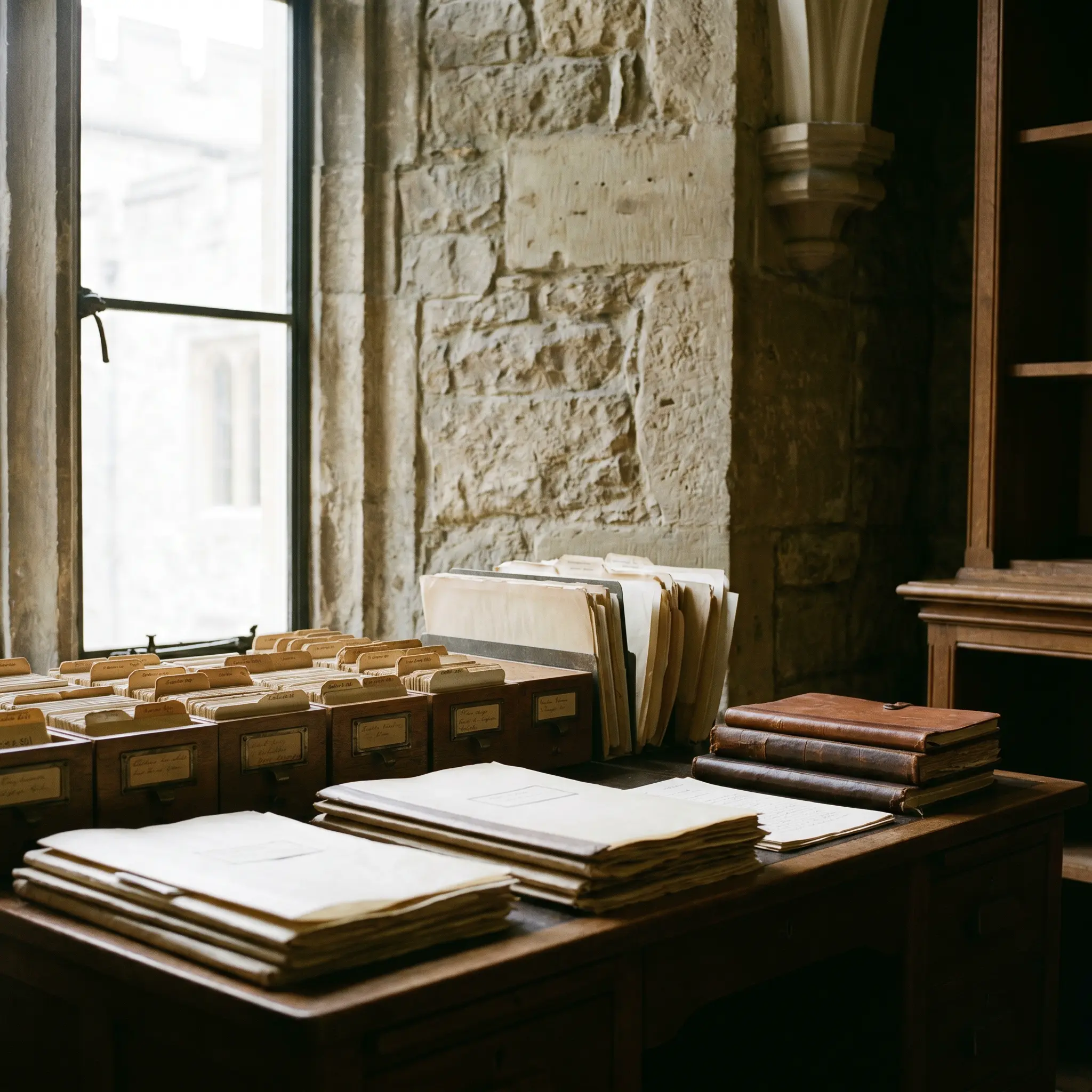
Eraje is not a museum review column, not an academic index, and not a product catalog. It is a reference practice for readers who need to judge how explanations are assembled. The site pays attention to captions, shelf order, room sequence, restoration language, donor wording, archive scans, public notices, classroom handouts, and the small design choices that make a record either legible or brittle.
A typical Eraje note asks what the visitor can know, what has been made too clean, what remains responsibly uncertain, and what should be preserved for the next reader. The goal is durable understanding: a page that can help someone return to a room, rewrite a label, compare sources, or explain why a reference deserves care.
Editorial habits
- Read display order before reading claims.
- Treat missing context as information, not merely a flaw.
- Separate useful uncertainty from decorative ambiguity.
- Prefer plain source posture over theatrical authority.
Reader
For people who handle context carefully.
The intended reader may be a curator revising a label, a teacher turning a room into a lesson, a researcher checking whether a public note has enough source posture, or a visitor who wants better words for why one display felt honest and another felt thin. Eraje gives that reader a disciplined vocabulary without removing the ambiguity that serious cultural material often requires.
Published entries may range from compact label studies to longer dossiers. Static pages keep the core method visible so the site remains useful even when no new entry has been added that week.